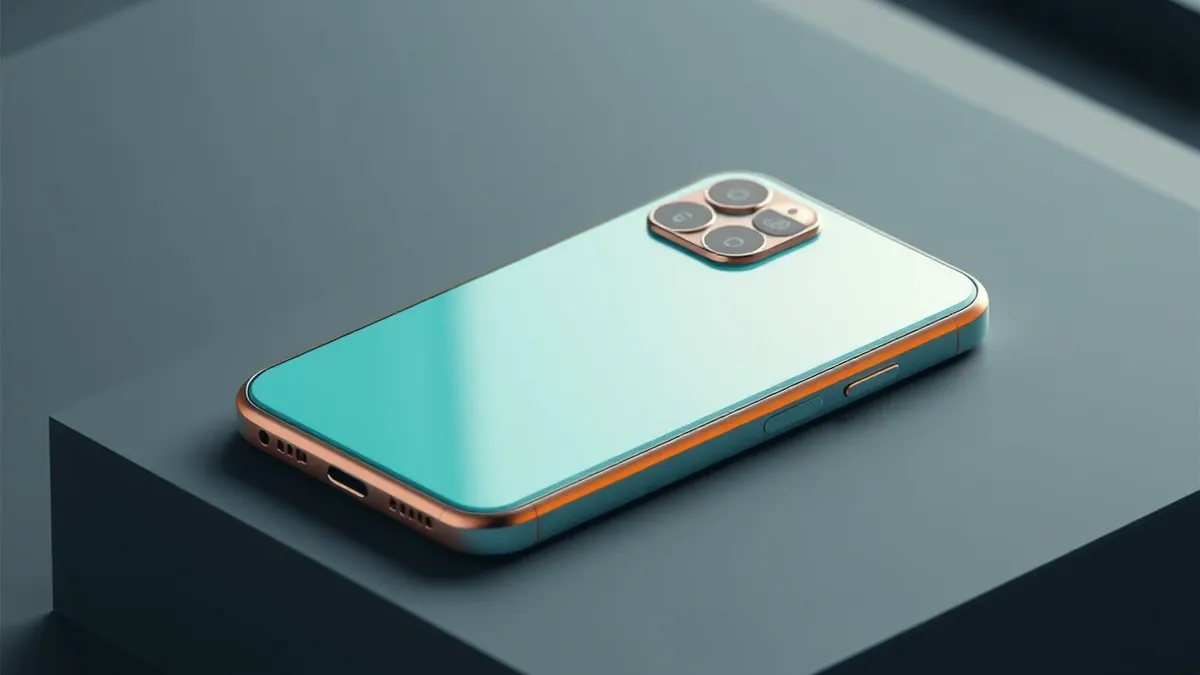
Chinese manufacturers may bring back variable apertures and curved displays to future Android flagship devices, according to reports.
Key points
- Chinese Android makers are considering hardware upgrades for future flagships.
- Variable aperture technology is reportedly under review for inclusion.
- Curved screen designs may return to these new devices.
Chinese Android manufacturers are reportedly planning to reintroduce variable aperture technology and curved displays on their upcoming flagship smartphones. This shift follows similar hardware trends previously seen in competing device ecosystems.
What happened
According to Android Authority, Chinese Android original equipment manufacturers are currently evaluating significant hardware changes for their next generation of high-end phones. The report indicates that these companies are considering the return of two specific features: variable aperture camera systems and curved display screens. These hardware upgrades would mark a shift back toward physical design elements that have become less common in recent years. The decision appears influenced by market trends and competitor strategies, particularly those observed in devices produced by Apple. No specific release dates or model names were provided in the report.
Why it matters
Variable aperture allows a camera lens to physically open wider or narrower, similar to professional photography gear. This mechanical adjustment controls how much light enters the sensor and affects depth of field. Curved displays wrap the screen edges around the phone’s sides, creating an immersive look but sometimes causing accidental touches. Understanding these terms helps readers evaluate trade-offs between optical quality, screen usability, and device durability when comparing new flagship releases.
The fix
- Review official specification sheets from manufacturers before purchasing.
- Compare aperture ranges listed in camera details.
- Check user reviews for reports on edge-touch issues.
- Verify warranty terms for screen damage coverage.
Why it matters
When evaluating hardware changes, teams usually assess how physical design impacts daily usability and long-term reliability. Check whether new features solve actual user pain points or primarily serve marketing differentiation. Consider how mechanical parts like variable apertures might affect device thickness or dust resistance. Evaluate if curved screens improve media consumption or introduce accidental input errors. These factors help determine if the hardware upgrade delivers tangible value or adds unnecessary complexity to the device ecosystem.
What to do and how to stay safe: Android
- Wait for official announcements from specific brands before assuming availability.
- Research how variable aperture affects low-light photo quality in real-world tests.
- Test curved screen models in-store to check for accidental touch sensitivity.
- Monitor independent reviews for durability assessments of new hardware designs.
Step-by-step guide: What is password policies and how they protect systems
General security guidance from the Crypt Weekly newsroom. It is not confirmed advice from the organisations named in this story.
Frequently asked questions
Which companies are adding variable aperture to Android phones?
Chinese Android OEMs are reportedly considering these upgrades for future flagships.
Is this change happening now?
The report states these are considerations for future flagship devices.
Why are they bringing back curved screens?
The report suggests the move is influenced by trends from competitors like Apple.