
Data Breaches
Medical Identity Theft: How Stolen Health Records Cost You
Your medical records can be hijacked to claim insurance benefits, creating debt and errors that distort your actual health history.
The security desk for defenders
Data Breaches coverage from Crypt Weekly holds 15 articles, 15 of them reference guides. The newest was published on October 14, 2026. New stories are added as soon as they are confirmed, from more than 150 sources checked as often as every 45 seconds. Each story lists its sources. Primary sources we follow for this section include UK Information Commissioner's Office and IdentityTheft.gov (FTC).
Your medical records can be hijacked to claim insurance benefits, creating debt and errors that distort your actual health history.

Frequent password changes force users to choose weaker secrets and reuse them, creating larger attack surfaces for credential stuffing and phishing campaigns.

Tax identity theft often stems from overlooked administrative gaps like unmonitored mail and weak secondary authentication, not just stolen passwords.

Keeping less data reduces your attack surface because attackers cannot steal what you never collected or stored in the first place.

A broken chain of custody renders digital evidence inadmissible in court and voids forensic conclusions, regardless of technical accuracy.

Storage location determines legal jurisdiction, meaning your data follows local laws even if your company is headquartered elsewhere.

SOC 2 compliance reveals your internal security posture to auditors, not the public, creating a hidden layer of accountability that often exceeds standard legal requirements.

Unverified backups are digital liabilities that consume storage while providing zero protection against data loss or ransomware encryption.

Most access reviews fail because they treat permissions as static labels rather than dynamic behaviors that accumulate privilege over time.
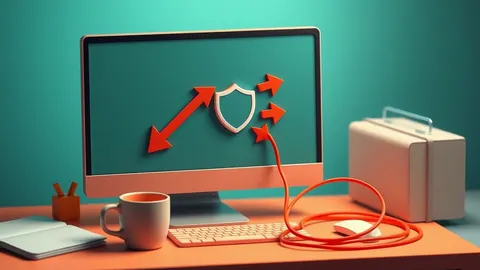
Session tokens often bypass multi-factor authentication entirely, allowing attackers to act as legitimate users without triggering standard login alarms.

Your medical identity is more valuable than your credit card because it cannot be frozen, making early detection of data leakage your only real defense.
Mandatory password rotation pushes users toward predictable patterns, making accounts easier to crack than if they used one strong, unique credential.

Most healthcare data leaks occur because systems trust internal users by default, meaning strict access boundaries matter more than perimeter firewalls.

MDM policies enforce security rules on hardware, creating a boundary that protects corporate data while leaving your personal photos and messages completely private.

Most healthcare data losses stem from unmanaged legacy systems and insider errors, not targeted external hackers stealing records for profit.