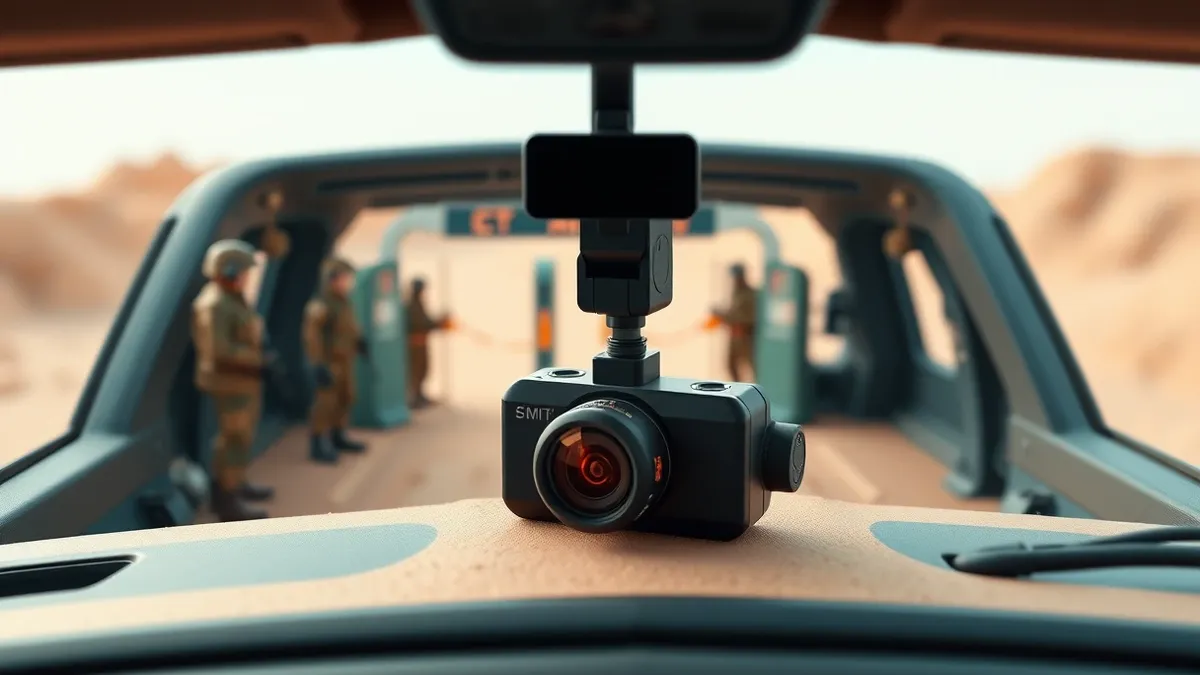
Soldiers found rental car cameras capturing access codes and troop movements during exercises, prompting immediate deletion of stored video files.
Key points
- Rental cars used by the Norwegian army secretly recorded soldiers entering vehicles and typing security gate codes.
- Military personnel discovered the footage by chance while bored and deleted the recordings from the vehicle storage.
- The vehicles remained in use for the rest of the exercise due to a shortage of alternative transport options.
Norwegian soldiers discovered that rental cars used during military exercises were automatically recording video footage of their activities. The recordings captured troops entering vehicles, moving around, and typing security codes, raising immediate concerns about potential data exposure.
What happened
Rental cars provided to the Norwegian army for an exercise in Oslo contained active dashcams that stored video without the soldiers' knowledge. According to TechRadar, the clips showed personnel getting in and out of the vehicles, their specific movements, and the gate codes they typed while facing the camera lenses. Soldiers found these recordings by chance while browsing the vehicle menus because they were bored during downtime.
Upon discovery, the military personnel deleted the recordings from the cars. Despite the security breach, the armed forces continued using the vehicles for the remainder of the exercise. This decision was driven by a severe shortage of alternative cars available for operational missions and daily errands. The rental operator is First Rent A Car Norway AS, a Hertz-branded firm.
Why it matters
Dashcams are standard equipment in many rental fleets, but their storage capabilities often go unnoticed by users. When these devices record sensitive environments, they can inadvertently capture classified information or security credentials. The risk lies not just in the recording itself, but in the potential for that data to be accessed later. Ownership structures add complexity, as the rental company links back to Chinese-based holding groups through Volvo Cars. This connection heightens scrutiny regarding data sovereignty and potential intelligence gathering, even if no deliberate espionage has been proven.
The fix
- Check vehicle infotainment systems for active recording indicators before entering sensitive areas.
- Manually delete any stored media from rental vehicles after use to prevent data retention.
- Avoid displaying or typing security codes within view of any camera lens inside or outside the vehicle.
Why it matters
Teams usually assume rental vehicles are neutral tools, but embedded technology changes that dynamic. Check whether standard equipment like dashcams has local storage that persists after the engine is off. Verify if the device uploads data to the cloud automatically, as this bypasses local deletion. Treat any camera in a temporary vehicle as a potential surveillance tool. Ensure that sensitive information, such as access codes or troop movements, is never visible to recording devices. This approach minimizes the risk of accidental data leakage in uncontrolled environments.
Background: Data sovereignty
Data sovereignty laws dictate that digital information must be stored and processed within specific geographic borders. These regulations require organizations to keep certain types of data inside a country’s legal jurisdiction. Compliance prevents foreign legal access and ensures adherence to local privacy standards.
Read the full guide: Data Sovereignty Laws: How Location Dictates Your Data Rights
What to do and how to stay safe: dashcam
- Inspect rental vehicles for active cameras and disable recording features if possible before use.
- Delete all stored media from the vehicle's internal storage after every trip.
- Avoid entering secure areas or typing codes while inside vehicles with active recording devices.
- Report any inadvertent recording of sensitive information to your security team immediately.
Step-by-step guide: What is password policies and how they protect systems
General security guidance from the Crypt Weekly newsroom. It is not confirmed advice from the organisations named in this story.
Frequently asked questions
Did the Norwegian military stop using the rental cars after finding the footage?
No, the military kept using the vehicles for the rest of the exercise due to a shortage of alternative cars.
Are the rental cars owned by a Chinese company?
The rental firm is part of a chain controlled by Geely, which is owned by a China-based holding group.
Was there evidence of deliberate espionage in this incident?
No, reports state there is no evidence of deliberate espionage, though the situation raised security concerns.