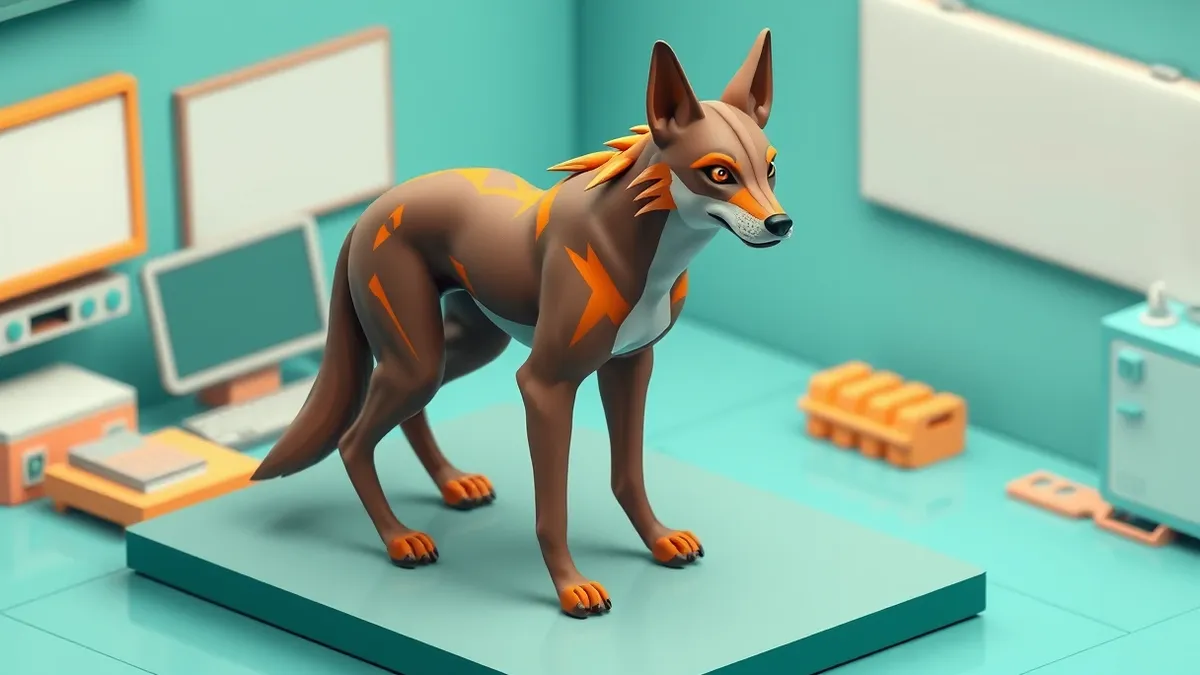
Founders Ben Lamm and Palmer Luckey launch Warhound with $200 million in funding to create genetically edited dogs for US defense and law enforcement use.
Key points
- Warhound emerged from stealth with $200 million in funding, valuing the company at $1.2 billion.
- The venture aims to reduce US reliance on foreign-sourced working dogs by engineering domestic replacements.
- Investors include In-Q-Tel, Sequoia, and 8VC, backing a blend of genetic editing and hardware integration.
Warhound has emerged from stealth with $200 million in funding to genetically engineer working dogs for the US military and law enforcement. The company, founded by Ben Lamm and Palmer Luckey, aims to address supply shortages and health issues in current canine units through biotechnology and hardware enhancements.
What happened
TechCrunch reported that Warhound announced its launch on Thursday with $200 million in capital from investors including In-Q-Tel, Sequoia, and 8VC. This funding round establishes a $1.2 billion valuation for the startup. The company was founded by Ben Lamm of Colossal Biosciences and Palmer Luckey of Anduril. Lamm and Luckey met approximately one year ago at a conference where Luckey discussed improving support for military working dogs. Lamm subsequently researched breeding challenges, noting that many dogs fail training due to genetic predispositions such as poor eyesight, cancer, hip dysplasia, or muscle atrophy.
Warhound plans to use cell lines from high-performing breeds like the Belgian Malinois and German Shepherd. The team will store these lines in a biobank and edit genes to enhance traits like speed, agility, longevity, and olfactory sensors for bomb detection. The goal is to create a new type of dog suited for demanding missions. Currently, more than 80 percent of US military working dogs come from Europe, and less than half are fit for service, according to the company’s launch announcement.
Anduril will contribute software and hardware enhancements to the project. This includes developing protective vests with data sensors and eye goggles to improve situational awareness and coordination between handlers and dogs. These tools are designed to assist in dangerous tasks that are difficult for humans or machines to perform safely.
Why it matters
Organizations adopting new biotechnologies must evaluate long-term health impacts on the subjects involved. Genetic editing aims to reduce hereditary diseases, but teams usually monitor outcomes closely to ensure enhancements do not create new vulnerabilities. Security agencies also need to assess how integrating hardware sensors into living organisms affects operational reliability and data privacy.
The fix
- Monitor official announcements from Warhound regarding the status of their genetic editing trials.
- Review current procurement policies for working dogs to understand reliance on foreign sources.
- Check for updates on Anduril’s hardware integrations for canine units.
- Wait for independent assessments of the health and safety of genetically modified animals in service.
Why it matters
When agencies adopt genetically modified animals, they must establish clear ethical and operational standards. Teams usually review how enhanced traits affect animal welfare and mission effectiveness. It is important to verify that health improvements do not compromise the animal’s ability to perform complex tasks. Agencies should also consider the long-term sustainability of domestic breeding programs versus foreign sourcing.
What to do and how to stay safe: Warhound
- Follow official channels for verified information on Warhound’s development milestones.
- Assess your organization’s current supply chain risks for specialized working animals.
- Review data security protocols for any new hardware integrated with biological assets.
- Consult legal and ethical guidelines regarding the use of genetically modified organisms in public service.
Step-by-step guide: What is password policies and how they protect systems
General security guidance from the Crypt Weekly newsroom. It is not confirmed advice from the organisations named in this story.
Frequently asked questions
Who founded Warhound and how much funding did they raise?
Ben Lamm and Palmer Luckey founded Warhound, raising $200 million in funding from investors including In-Q-Tel, Sequoia, and 8VC.
What problems is Warhound trying to solve with genetically engineered dogs?
Warhound aims to address the dwindling supply of working dogs, reliance on foreign sources, and health issues like cancer and hip dysplasia that cause many dogs to fail training.
What role does Anduril play in this venture?
Anduril will provide software and hardware enhancements, such as data-sensing protective vests and eye goggles, to assist dogs and their handlers with situational awareness.