
Tech News
Nordic Tech Firms Build AI and Supercomputing on NVIDIA Hardware
Major companies in Sweden, Finland and other Nordic nations are using NVIDIA systems to run large-scale AI models and advanced simulations.
The security desk for defenders
Major companies in Sweden, Finland and other Nordic nations are using NVIDIA systems to run large-scale AI models and advanced simulations.

The U.S. government and CrowdStrike disrupted the FAMOUS CHOLLIMA threat group. Readers should check their systems for signs of compromise following this joint action.

Google DeepMind and Cloud are giving 200 European researchers free compute credits and model access to speed up scientific work.

Apple has released a new beta firmware update for several AirPods models, including the latest Pro and Max headphones, for developer and public testers.
The tech giant unveiled its third-generation custom silicon, aiming to reduce reliance on Nvidia and cut energy costs for AI inference tasks.

Google releases Gemini 4 Argon to Pro subscribers, offering million-token outputs at introductory rates that undercut rival AI models.
Quantum firm IonQ acquires cybersecurity startup Elisity in an all-stock deal to expand its post-quantum cryptography and zero-trust capabilities.
Network access control systems enforce policy before traffic enters your network, blocking devices that fail authentication or compliance checks.

Smart city sensors collect massive data streams that create new attack surfaces, requiring strict identity controls and continuous monitoring to prevent systemic urban failure.
Visual file properties often hide the real hash, forcing you to use command-line tools that bypass interface manipulation and reveal tampering.

The new Ray-Ban Meta Audio frames remove cameras to address privacy concerns while improving comfort and battery life.

Public key cryptography uses two different keys where one locks data and only the other can open it, removing the need to share secrets.

TFG London confirms an IT breach affecting Phase Eight, Hobbs, and Whistles systems, while stores remain open and payment data appears safe.

Apple launched a new campaign highlighting Safari’s speed and privacy advantages over Google’s Chrome browser on macOS devices.

Data sovereignty does not guarantee privacy from government access; it only defines which national laws apply to infrastructure located within specific borders.
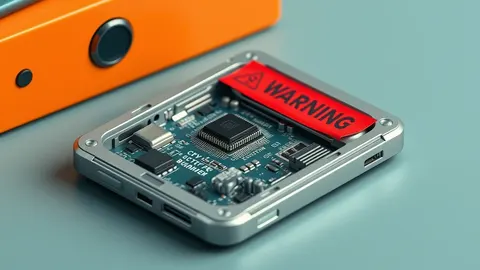
Ledger warns that tampered devices sold by a Southeast Asian reseller contain implants that steal recovery phrases, urging users to migrate assets immediately.

Apple launches its first smart display, the $299 HomeView, featuring Siri AI and facial recognition for personalized home controls.

The People’s Bank of China approved Visa’s request to prepare for domestic clearing operations, allowing the firm to begin formal setup steps for future processing.

Meta says its Muse agent does not block legal adult behavior, enabling users to engage in explicit chats via a secure, isolated computing environment.

Nothing founder Carl Pei argues Apple's foldable phone lacks essential hardware for its high price tag, citing missing cameras and biometrics.

The quantum computing firm buys the network security startup in an all-stock deal to protect infrastructure against future quantum threats.
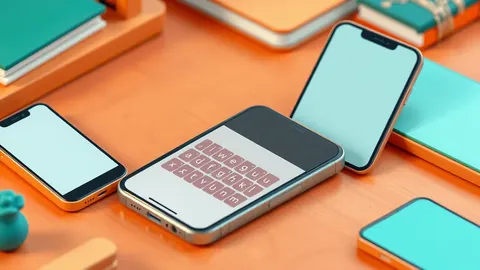
Apple’s latest iOS update includes keyboards for three Indigenous languages to help preserve endangered tongues through daily digital use.

Sucuri explains that encryption relies on secret keys, warning site owners that the padlock does not guarantee overall site security.
IonQ signs agreement to buy zero-trust firm Elisity, combining quantum computing with least-privilege access controls.