
Vulnerabilities
Update SQL Server 2019-2025 to Stop Authenticated Remote Code Execution
Microsoft warns that authorized attackers can run remote code on SQL Server versions 2019 through 2025 via a high-severity deserialization flaw.
The security desk for defenders
Microsoft warns that authorized attackers can run remote code on SQL Server versions 2019 through 2025 via a high-severity deserialization flaw.

Attackers are exploiting a critical flaw in Cisco email security systems to gain full control. Users must update software to block remote command execution.

Microsoft issued a patch for a high-severity authorization flaw in SharePoint Server that allows attackers to gain higher system privileges.

A remote attacker can bypass login on FortiSandbox using crafted requests, creating a high-risk exposure for organizations using the appliance.

Apple has released a new beta firmware update for several AirPods models, including the latest Pro and Max headphones, for developer and public testers.

Palo Alto Networks released a patch for Prisma Browser to address multiple high-severity security flaws inherited from the Chromium engine.

A critical flaw in Juniper J-Web lets attackers bypass login screens and run commands on network devices without any credentials.

A critical flaw in Whisper-node 1.1.1 allows attackers to run system commands by manipulating file paths and language options.

A critical OS command injection flaw in Stills allows attackers to run shell commands via crafted file paths, requiring an immediate update for users.

Microsoft released patches for a high-severity out-of-bounds write flaw in .NET WPF that lets attackers run code over a network.

Microsoft released patches for a high-severity race condition in ASP.NET Core that lets attackers bypass authorization checks and elevate privileges.

Your medical records can be hijacked to claim insurance benefits, creating debt and errors that distort your actual health history.
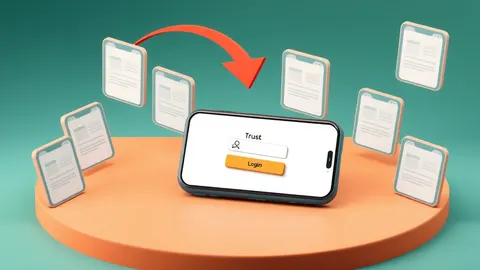
Attackers steal access tokens by tricking you into approving legitimate requests on fake pages that mirror real apps.

Privacy policies are legal disclaimers about data processing, not technical blueprints for security or guarantees of personal anonymity.

Frequent password changes force users to choose weaker secrets and reuse them, creating larger attack surfaces for credential stuffing and phishing campaigns.

The tech giant unveiled its third-generation custom silicon, aiming to reduce reliance on Nvidia and cut energy costs for AI inference tasks.

Google releases Gemini 4 Argon to Pro subscribers, offering million-token outputs at introductory rates that undercut rival AI models.

Quantum firm IonQ acquires cybersecurity startup Elisity in an all-stock deal to expand its post-quantum cryptography and zero-trust capabilities.

Tax identity theft often stems from overlooked administrative gaps like unmonitored mail and weak secondary authentication, not just stolen passwords.

Tor hides your location from websites, but your internet provider still sees that you are using the Tor network, and your behavior inside the browser can leak your identity.

Anonymization of data often fails because statistical patterns allow attackers to re-identify individuals even when direct identifiers like names are completely removed.

Your service provider cannot read your messages because they never hold the decryption keys, making backdoors impossible without breaking security for everyone.

Keeping less data reduces your attack surface because attackers cannot steal what you never collected or stored in the first place.

A broken chain of custody renders digital evidence inadmissible in court and voids forensic conclusions, regardless of technical accuracy.